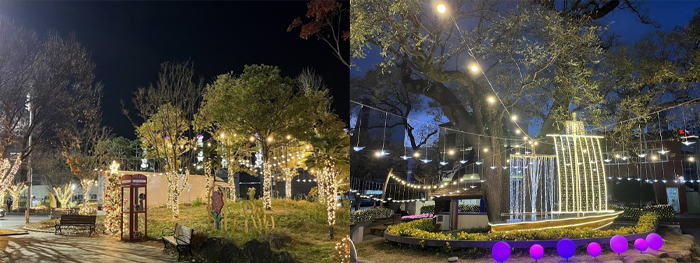
In celebration of the year-end season, Saha District in Busan Metropolitan City will transform three locations—Buneccia at Jangnim Port, Gamcheon Culture Village, and Goejeong Hoewhwa-namu Saemteo Park—into a “Street of Hopeful Lights.” The light festival is scheduled to run for approximately 90 days, from December 1 to February 28 next year.
LED lights reflecting the unique charm of Saha District will be installed to spread a hopeful atmosphere throughout the entire district, presenting a special winter festival where both residents and visitors can enjoy the lights together.
At Buneccia in Jangnim Port, the Rainbow Bridge, the shimmering waters of Jangnim Harbor, and the promenade along the port will be utilized to create a dazzling and romantic light street. In Gamcheon Culture Village, various key photo zones, murals, and even the floors throughout the alleys will be used to produce a diverse array of lights. Finally, at Goejeong Hoewhwa-namu Saemteo Park, centered on The Little Prince-themed content, fantastical thematic displays will be added to provide visitors with a special experience as if they are strolling through a fairytale world.
This light street festival goes beyond simply enjoying beautiful scenery, offering an opportunity for families, couples, and friends to create memories and fully embrace the winter spirit of Saha District. Amid the warm glow and splendid illuminations, visitors can momentarily forget the hustle of daily life, experience the various photo zones and thematic displays prepared by Saha District, and look forward to a special and memorable time this winter.
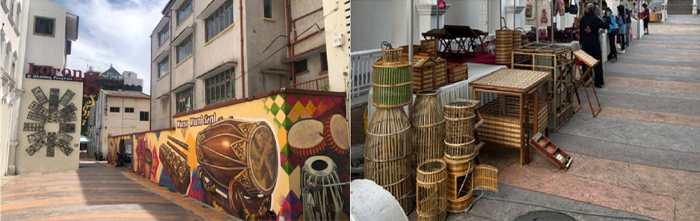
Lorong Seni @ Lorong Panglima is a vibrant alleyway in Ipoh’s historic district that showcases local art and culture. To promote traditional art, handicraft, and music while boosting Ipoh’s status as a cultural tourist destination, this unique attraction was officially opened on 23rd July 2022 by the Ipoh City Council.
The location becomes a bustling marketplace where local craftspeople and merchants set up booths every Saturday from 8.00 am to 1.00 pm. Stop by the booths selling authentic Ipoh souvenirs, traditional clothing, musical instruments, and handicrafts. Tourists may take home a memorable memento of their experience with each product that showcases the local creativity.
Murals, artwork, and cultural exhibits surround the alley, transforming it into a beautiful outdoor gallery. As a performance venue, it also allows local artists and musicians to present their work and perform live music. Locals and tourists alike are drawn to the vibrant images, traditional crafts, and lively noises that create an inviting ambiance.
Symbolic of communal pride and cultural preservation, Lorong Seni @ Lorong Panglima goes beyond being an ordinary tourist attraction. It preserves Ipoh’s historic beauty while boosting the city’s creative economy by providing a venue for artists and small business owners to showcase their wares. Its prime location along the famous Concubine Lane has made it an absolute must-visit for history buffs and anybody else interested in the old town’s splendour.
Lorong Seni @ Lorong Panglima portrays Ipoh, as a city where tradition and creativity intertwine and where every corner has a tradition to be remembered, with its combination of history, artistry, and local character. In addition to protect cultural heritage, this initiative encourages the next generation to value and continue old crafts in contemporary ways. The alleyway’s beautiful paintings and vibrant ambiance have made it a popular location for photography, particularly among social media users who help promote this little-known treasure.
Three international air routes — between Sanya and Minsk; Ulaanbaatar, Sanya and Ulan-Ude; and Sanya and Kuala Lumpur — were opened between Oct. 8 and 11, marking a major expansion of Sanya’s international air route network.
The Sanya-Kuala Lumpur route is operated by Malaysia’s Batik Air and runs twice weekly, on Wednesdays and Saturdays, offering Southeast Asian travelers a more convenient option when visiting south China’s island province of Hainan.
The Ulaanbaatar-Sanya-Ulan-Ude route is operated by Mongolia’s Hunnu Air while the Sanya-Minsk route, which is operated by Belavia-Belarusian Airlines, is the first-ever direct air link between Sanya and Belarus.
To date, Sanya has established a total of 38 international air routes connecting 29 overseas destinations across key regions, including Central Asia, Southeast Asia, Northeast Asia and Europe. More routes, including one between Sanya and Cheongju, are expected to open soon.
Currently, citizens of 86 countries can visit Hainan visa-free with ordinary passports. The combination of visa-free entry policies and direct flights has boosted the island’s inbound tourism significantly.
Sanya will leverage the expansion of its international air links to work with cities and counties in the Greater Sanya tourism economic circle to develop more diversified tourism routes and attract more overseas visitors, according to an official of the Sanya Tourism Board.
When people think of Yogyakarta, they often imagine history temples and iconic streets. But beyond these famous spots, Yogyakarta hides authentic experiences in its traditional markets called “Pasar”, In the context of “Pasar”refers to a vibrant traditional market where visitors can find not only raw ingredients and household goods but also a wide variety of local and traditional foods.
More than just a place to shop, it’s a hub of culinary culture, offering authentic tastes and a lively atmosphere that reflects the daily life and food traditions of the community. If you’re a food lover or a cultural explorer, include Culinary Pasar Kranggan, Pasar Ngasem, and Pasar Condronegaran in your travel list. These markets are more than places to eat they reflect Yogyakarta’s rich culture, warm community, and unforgettable flavors.
Culinary Pasar Kranggan a Flavorful Journey from Local Traditions to Global Inspirations
Start your journey at Pasar Kranggan, near Tugu Yogyakarta, a lively market open from 5 AM till night. Enjoy local dishes like pecel sayur (vegetables with peanut sauce), lontong opor (rice cakes in coconut chicken curry), and jenang sumsum (sweet rice flour porridge).
Discover snacks like a pem (soft and sweet rice flour cake) often served at Javanese ceremonies, and herbal drinks like jamu. The upstairs food court blends tradition and modernity with Sate Klatak, Soto Tangkar, Roti Jala, Korean BBQ, and desserts. Pasar Kranggan is a flavorful start to your global foods adventure.
Culinary Pasar Ngasem the Royal Taste Near the Palace
Next, make your way to Pasar Ngasem, located just a stone’s throw from the Kraton Yogyakarta is the Sultan’s Palace. Head to Pasar Ngasem near the Kraton Yogyakarta, a peaceful market rooted in royal tradition. Enjoy local dishes like gudeg is young jackfruit stew, brongkos is spiced beef stew, klepon is sweet rice cake balls with palm sugar, jadah tempe is sticky rice with fermented soybeans, and geblek is crispy cassava crackers. Surrounded by history, it’s perfect for savoring traditional flavors while exploring nearby Taman Sari or the charming old lanes for a cultural experience.
Culinary Pasar Condronegaran the Street Food with Heart
Looking for hidden gems? Pasar Condronegaran is a quiet local market with heartwarming street food like jenang sumsum, tahu gimbal, and sate kere – all simple, comforting dishes loved by locals. At night, the market lights up with angkringan carts serving nasi kucing is a small rice with some kind of fish or tempe with a small portion and wedang jahe. Locals gather to relax, chat, and enjoy the moment. It’s a great place to experience daily life in Yogyakarta beyond the tourist paths.
Why Visit These Markets?
Pasar Kranggan, Ngasem, and Condronegaran show different sides of Yogyakarta its energy, heritage, and heart. Whether you’re starting your day, exploring palace culture, or enjoying evening snacks, these markets connect you to the city’s soul.
To truly taste Yogyakarta, skip the usual route.
Start at the market where every bite tells a story.
The Tourism Promotion Organization for Global Cities (TPO) successfully concluded two major talent development programs in October, reinforcing its commitment to building a sustainable tourism workforce.
K-CLIP Welcomes Record Participation
TPO announced that the Korean Culture & Language Immersion Program (K-CLIP) was successfully completed across four Korean cities, Andong, Mungyeong, Daegu, and Busan from October 19 to 29, 2025. The program welcomed 29 young participants from 22 cities across 10 countries and regions, including Australia, China, and Malaysia.
K-CLIP 2025 achieved record-breaking interest with 225 applications from 93 cities across 19 countries, the highest since its launch in 2009. Over 11 days, participants engaged in traditional cultural activities, visited UNESCO World Heritage sites, explored cultural heritage, and experienced modern tourism attractions. The program culminated in group marketing presentations where participants showcased innovative tourism promotion strategies.
Lasting Impact Through Education and Networking
Participants also attended several sessions of the Global City Tourism Summit, broadening their perspectives on global tourism trends. This integrated approach resulted in an exceptional satisfaction rating of 4.7 out of 5.
One participant captured the program’s impact: “I truly learned a lot throughout the whole K-CLIP program, and I never expected that through this trip, I would meet my dearest Korean friend”a reflection of K-CLIP’s dual achievement in education and cross-cultural networking.
Following the program, select graduates were appointed as TPO Supporters for a three-month to create media content promoting TPO member cities on TPO’s official YouTube channel. (https://youtube.com/@tposecretariat7984?si=AszUAG-bTPmriFLi)
Capacity Building Program Explores Workation Models
During the same period, the Capacity Building Program was held in Busan from October 27 to 30, 2025. Themed “Coexistence of Work and Travel: New Lifestyles Created by Workation”, Busan’s tourism policy combining work and vacation, the program brought together 14 government officials from 9 cities across five countries.
The program consisted of workation center visits, case study discussions, site inspections, and policy exchange sessions. Participants toured Busan’s workation center, experiencing the city’s public workation model with high-quality facilities and strong connectivity. They attended thematic sessions at the first Global City Tourism Summit and visited Busan’s tourist destinations, including the beach train, local coffee streets, and media art museums. These activities provided valuable benchmarking opportunities, demonstrating how tourism infrastructure can serve both leisure travelers and remote workers.
Expanding Global Tourism Collaboration
Building on this year’s success, TPO plans to continue both programs in 2026 and is currently accepting applications from member cities interested in hosting CLIP and other tourism promotion programs.
“K-CLIP and the Capacity Building Program demonstrate TPO’s role in cultivating future tourism talent and leading cooperation among member cities,” said Kang Da-eun, Secretary-General of TPO. “We remain committed to advancing sustainable tourism development and global talent cultivation.”
Through these programs, TPO continues to strengthen tourism workforce development and building on this year’s success, TPO plans to continue CLIP programs in 2026 and is currently accepting applications from member cities interested in hosting the 2026 CLIP program until December 12. Interested cities can submit applications via email to jaseo@aptpo.org.
Ministry of Tourism and Sports: Efforts to Enhance Tourism Capacity
In 2024, Kazakhstan welcomed around 15 million foreign visitors, of whom approximately 1.3 million stayed accommodation facilities such as hotels.
The Kazakh government’s tourism development roadmap projects that by 2030, the number of overnight tourists will exceed 4 million, more than triple the current figure. To achieve this, the plan includes expanding the currently insufficient accommodation facilities and improving transport accessibility.
The Kazakh government has identified an annual shortage of approximately 15,000 skilled professionals in the tourism industry. To address this gap, a presidential decree established the International Tourism Hotel University in Turkistan. The university offers a curriculum composed of over 60% on-site internships to provide practical training. Furthermore, Kazakh Tourism (NTO) has launched and operates an online academy to strengthen the expertise of tourism sector workers, actively supporting professional development across the industry.
The City of Almaty won the ‘Tourism Innovation and Urban Transformation’ prize in an International Forum
The Almaty Tourism Bureau received the Award for Tourism Innovation and Urban Transformation at the Global Tourism Forum held on October 21 in Brussels, Belgium. The award recognizes Almaty as a model of sustainable tourism development and innovative urban planning in Central Asia. The city’s achievements include introducing innovative solutions to improve tourist experiences and developing urban infrastructure with sustainability at its core.
This historical city, located at the foothills of the Ili Alatau mountains, was highly recognized internationally for attracting domestic and foreign tourists through projects such as developing transportation systems and eco-friendly parks, and restoring historical sites, all while preserving the surrounding natural scenery. This, in turn, has enhanced the city’s accessibility and improved the living environment for its residents.
Kazakh Tourism targets Japanese Tourism Market
Kazakh Tourism co-hosted a trip with Air Astana for 10 major Japanese outbound travel agencies to visit sites like Shymbulak Ski Resort, Kolsay Lake, and Charyn Canyon, and also explored Mangystau region’s coastal tourism resources. Furthermore, Kazakh Tourism organized B2B meetings with local inbound travel agencies, actively encouraging the development of diverse Kazakhstan travel packages targeting Japanese tourists.
In September, Kazakhstan actively advanced tourism exchanges with Japan by hosting major B2B travel marts in Osaka and Tokyo. These events were part of preparations for the launch of the first direct flight route to Japan scheduled for next year, aiming to boost bilateral tourism and cooperation.
Meanwhile, from January to September 2025, the number of Japanese tourists visiting Kazakhstan totaled 9,178, representing a 20% increase compared to the same period last year.
Kazakhstan-Thailand Tourism Exchange Expected to Increase
Kazakh Tourism (NTO) expects increased tourism exchange between Kazakhstan and Thailand with the launch of a new direct flight route. Starting December 1, 2025, Thai AirAsia X, Thailand’s largest low-cost carrier, will operate the Bangkok-Almaty route four times weekly. Strengthened collaboration and the visa-waiver agreement allowing a maximum stay of 30 days are anticipated to accelerate growth in Thai tourist arrivals.
As of 2024, more than 5,500 Thai tourists visited Kazakhstan, with more than 4,200 staying overnight visitors.
Kazakhstan-Armenia: Free Entry/Exit with National ID Cards
Citizens of Kazakhstan and Armenia can now travel freely between the two countries using only their national ID cards. Previously, visa-free travel was allowed for up to 30 days, with police registration required thereafter. Now, they can stay for up to 90 days without a visa or registration using their national ID cards. Stays longer than 90 days are possible with a temporary residence permit. This change is expected to significantly increase the number of Kazakhstani visitors to Armenia.
Sourced: KTO (Korean Tourism Organization) Data Lab – Tourism Market Trends in Kazakhstan (October 2025)
Duration: October 26 – November 1, 2025, in Busan, South Korea)
Hanoi – the Millennium Capital of Vietnam, the City for Peace, the country’s leading center of politics, economy, culture, and science – is affirming the strong position as an attractive destination in the region and the world. Boasting more than 6,400 cultural and historical relics, nearly 1,800 intangible cultural heritages, 1,350 traditional craft villages, and numerous UNESCO recognized titles, Hanoi is also honored as a UNESCO Creative City in the field of Design.
In recent years, Hanoi’s tourism has continuously earned prestigious global awards and recognition, affirming the Capital’s growing appeal and position on the international tourism map. These include: Top 25 Leading Cultural Destinations Worldwide and Top 25 Most Beloved Destinations of All Time (Tripadvisor); Top 9/20 Leading Global Cultural Destinations (Time Out); Asia’s Leading City Destination and Vietnam’s Leading Cultural Destination (World Travel Awards); Asia’s and the World’s Leading Culinary City (World Culinary Awards); World’s Best Golf Destination (World Golf Awards), among others.
Hanoi continues to assert itself as a dynamic, creative city through a diverse range of large-scale events held across the Capital, including: Hanoi Gift Tourism Festival, the Hanoi Autumn Festival, Creative Design Festival, Hanoi Ao Dai Tourism Festival, Thang Long – Hanoi Heritage Festival, and Red River International Music Festival… These activities not only honor heritage, arts, and traditional craft villages but also introduce innovative tourism products such as mystical night tours, pedestrian streets combined with culinary and craft village festivals, and Halal tourism experiences, meeting the diverse demands of both domestic and international visitors.
As the nation’s political and administrative center, home to diplomatic missions and international organizations, Hanoi frequently hosts high-level political, diplomatic, cultural, and sports events of regional and global significance. Many major national and international events have been successfully organized in the Capital, reinforcing its image as a safe, friendly, and attractive destination deeply integrated with the global community.
Hanoi is also renowned as a leading culinary destination with signature dishes such as pho, bun cha, and com Lang Vong, alongside Michelin-starred restaurants and numerous international culinary awards. In 2025, ten additional Hanoi establishments were listed in the Michelin Guide, further affirming the Capital’s global culinary reputation.
Moreover, the city prioritizes green and sustainable tourism development, encouraging accommodation and dining facilities to adopt energy-saving practices, protect the environment, and reduce plastic waste, contributing to a civilized and eco-friendly tourism environment.
With over 3,700 accommodation establishments, a global network of direct flights operated by Vietnam Airlines, Etihad, Qatar Airways, and others, Hanoi stands ready to welcome international visitors to explore a creative, dynamic, and hospitable city.
With a safe environment, friendly people, and a strong digital transformation strategy, Hanoi is striving to become a leading green, friendly, and attractive destination in the region, eager to welcome international friends to discover and experience all it has to offer.
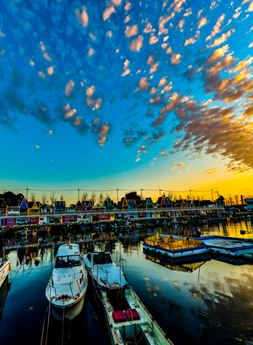
Jangnim Port, nick named “Buneccia”, offers a unique blend of canals and a seaside atmosphere, making it one of Saha-gu’s most iconic photo zones.
Small boats floating on the calm water, wooden docks along the harbor, and colorful buildings together create a picturesque view reminiscent of Venice, Italy.
Visitors can stroll around the port, capturing photos against the charming waterfront backdrop.
The scenery changes with the time of day and season, ensuring every photo feels new. More than just a tourist spot, Jangnim Port “Buneccia” harmonizes the sea, people, tradition, and modernity-a must-visit destination in Saha-gu.
Dadaepo Beach & Sunset Park
Dadaepo Beach
Dadaepo Beach is one of Busan’s most famous sunset spots, where the golden sky meets a vast stretch of soft sand to create a breathtaking scene. You can take a leisurely walk along the Sunset Park trail and capture special moments with your loved ones — whether with your partner, family, or friends.
In particular, the sandy beach, seaside promenade, and surrounding sculptures provide stylish and artistic photo backdrops. As the sun sets, the golden reflections on the gentle waves create a breathtaking scene that leaves everyone in awe. Dadaepo Beach is loved not just as a seaside destination, but as a place where visitors can capture both unforgettable memories and perfect “life shots.”
Molundae Coastal Walk
Molundae Coastal Walk
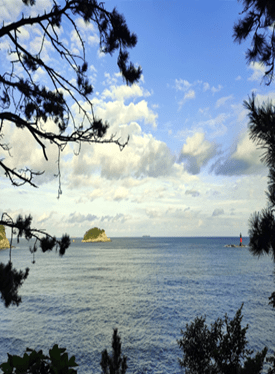
Molundae Coastal Walk is a hidden seaside gem of Saha-gu, boasting an exotic landscape of rugged cliffs and deep-blue shoreline. As you walk along the trail following the sound of the waves, the expansive ocean and rugged cliffs reveal nature’s breathtaking beauty, and the designated photo spots along the way allow you to capture emotional, sea-themed shots.
Especially at sunset, the view from near the top of Molundae reveals a crimson sky reflecting on the sparkling water, unfolding like a living painting. The Molundae Coastal Walk allows visitors to experience both the serenity of the sea and the rugged beauty of nature, making it one of Saha-gu’s top photo spots where you can enjoy both healing and unforgettable “life shots” in the heart of the city.
Gamcheon Culture Village
Gamcheon Culture Village
Gamcheon Culture Village is one of Saha-gu’s most iconic cultural and artistic destinations, known for its charming alleys and brightly colored houses that create a unique and picturesque landscape. The village is filled with murals, sculptures, and art installations, offering numerous photo spots perfectly suited for photography.
The narrow streets, stairways, and traditional houses provide an emotional and visually striking backdrop, while the vibrant colors and patterns make for photos that are highly shareable on Instagram and other social media platforms. Gamcheon Culture Village is Saha-gu’s premier photo spot, capturing culture, art, history, and travel memories all in one place.
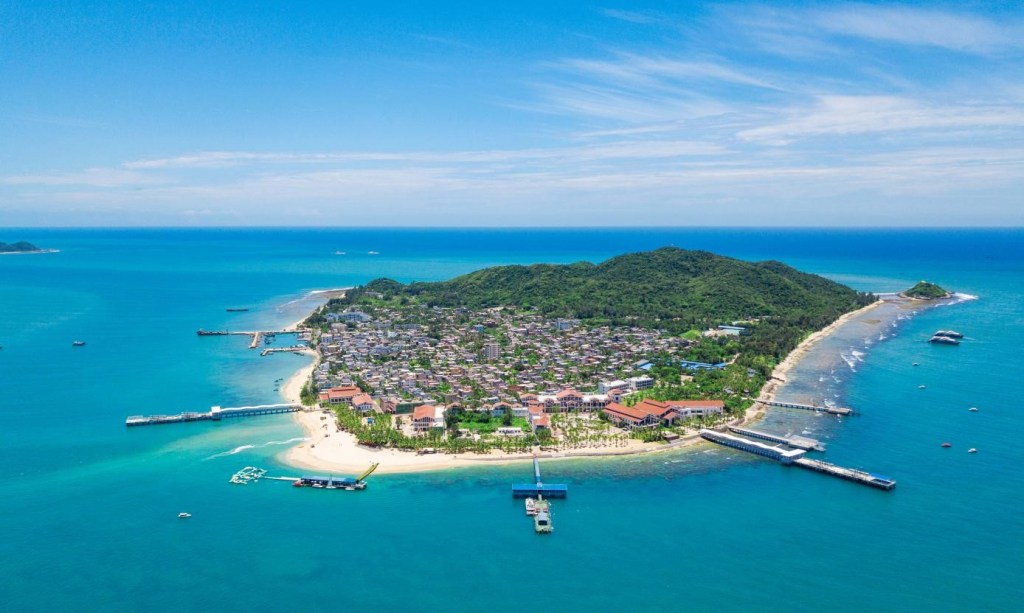
In recent years, West Island in Sanya, Hainan has been advancing a “Zero-Waste Island” initiative, integrating ecological conservation with economic development to establish a sustainable tourism model blending marine recreation, fishing village ecotourism, and resort-style holidays.
This transformation stems from West Island’s commitment to marine ecology. Located within China’s national coral reef nature reserve, the island’s pristine environment is fundamental to development. In May 2018, the island led a plastic-free campaign, which was later expanded into a bigger vision of becoming waste-free by 2030.
Since then, West Island has implemented a wide range of measures, including replacing traditional landfill and incineration facilities with modern waste transfer stations, and ensuring daily transport of household waste from the island to Sanya’s waste-to-energy plant.
Meanwhile, a dedicated service center was set up to encourage recycling through an innovative points system. Residents are encouraged to exchange recyclable plastic, glass, wood, metal, fabric, and paper waste for credits redeemable for daily necessities or cultural products.
The results are striking: Across the island, recycled materials gain new life—discarded plastics are used to make handicrafts, and retired fishing boats have been transformed into vibrant photo spots. In June 2024, a Central Academy of Fine Arts sculpture team visited to draw inspiration from these initiatives.
According to island officials, regular beach cleanups, marine conservation, and coral transplantation programs have improved local biodiversity in recent years. By 2024, West Island had recycled a total of 15.5 metric tons of waste, while reducing household waste by 16.37 tons compared to the amount generated in 2021. Growing visitor numbers boost the local economy, and many visitors also actively engage in environmental conservation activities.
For Sanya’s West Island, becoming a “Zero-Waste Island” is not just a target—it’s a lifestyle that drives progress toward a greener, more livable, and visitor-friendly destination.
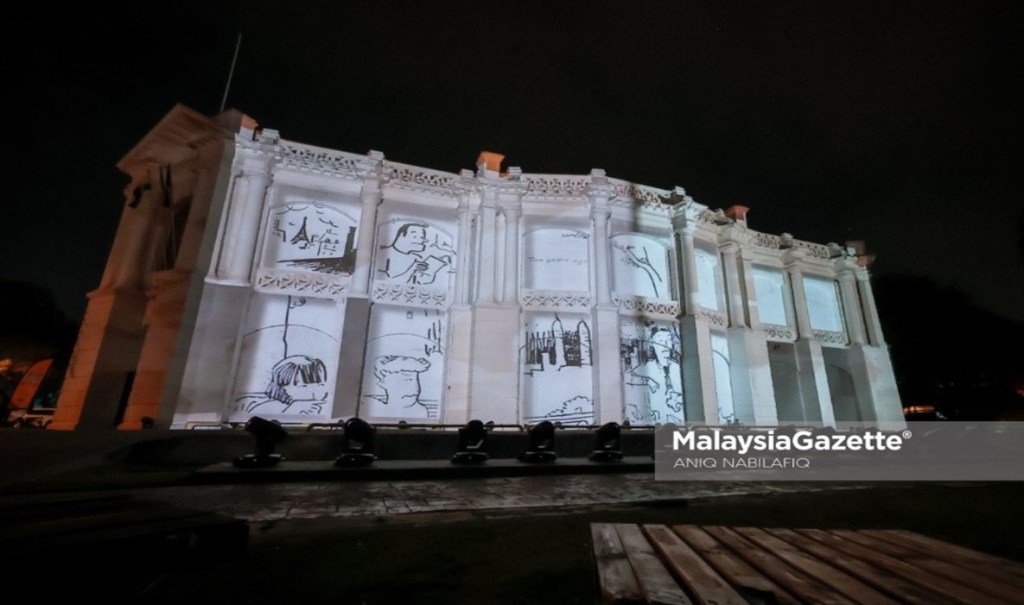
Malaysia’s National Art Gallery (Balai Seni Negara) is extending its presence beyond Kuala Lumpur with a new branch in Ipoh, Perak. Housed in the historic Old Ipoh Post Office, a colonial landmark designed by British architect A.B. Hubback in the early 20th century, the gallery represents a unique fusion of heritage and contemporary culture.
The Ipoh branch aims to serve as a regional hub for visual arts by hosting exhibitions, interactive workshops, and cultural programs that engage both local communities and international visitors. Among its recent highlights during the soft launch was “Ipoh Suka Langka”, a creative festival featuring air painting, mobile photography, animation, doodling, neon art, and projection mapping, which successfully brought art into public spaces and attracted wide community participation.
The official opening of Balai Seni Negara Ipoh in 2026 not only strengthens Malaysia’s cultural infrastructure but also enhances Ipoh’s appeal as a heritage city with vibrant creative offerings. It reflects Malaysia’s commitment to decentralising the arts, nurturing local talent, and positioning Ipoh as an emerging destination for cultural tourism.






 Tourism Scope